Avigilon Alta and Unity security platforms
Compare cloud-native Alta with on-premise Unity, then align cameras, access control, analytics, storage and administration with the site.
What Avigilon includes—and how to choose
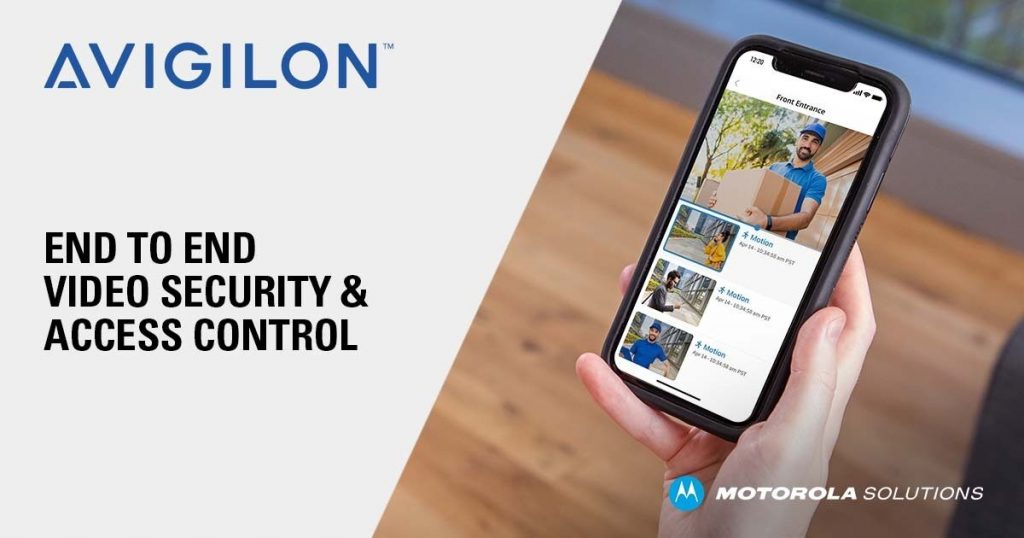
Avigilon is not one interchangeable camera line. Alta is the cloud-native portfolio for video and access management, while Unity is the on-premise platform family for organizations that want local infrastructure and centralized security operations. The first decision is therefore operational: cloud administration and subscription planning, locally managed servers and appliances, or an approved hybrid migration path.
Camera selection follows scene purpose rather than resolution alone. Identification at an entrance, vehicle context, wide-area awareness, low-light movement and forensic review require different lenses, mounting positions, illumination and bandwidth. Analytics can reduce search time, but their value depends on view geometry, calibration and a documented operator response.
Access-control planning adds readers, credentials, door interfaces, life-safety behavior and identity ownership. Video and access events should be associated only where the chosen Alta or Unity release supports the workflow. Existing Avigilon equipment must be inventoried by exact model, software release and lifecycle status before reuse is promised.
Product families and their roles
This portfolio map separates the main Avigilon functions so the project is not reduced to a generic model list.
Alta Video
Cloud-managed cameras, gateways and video operations for distributed sites.
Alta Access
Cloud access control, readers, mobile credentials and identity workflows.
Unity Video
On-premise video management, appliances, cameras and operator tools.
Unity Access
Enterprise access management, controllers, credentials and integrated events.
Architecture decisions before procurement
The selected family must fit the opening, scene, network, power, software and administrative environment.
Platform boundary
Decide which data, administration and recording functions reside in the cloud or onsite.
Camera purpose
Document scene objective, pixel density, lens, lighting, retention and export needs per view.
Compute and storage
Size appliances, servers, archives and uplinks from supported throughput and retention assumptions.
Identity and doors
Map credentials, roles, schedules, door hardware and emergency behavior before controller selection.
Commissioning evidence
Acceptance should demonstrate the intended workflow under realistic conditions, not only show that devices appear online.
- Retrieve representative video under daytime, low-light and motion conditions.
- Exercise access-granted, denied, forced-door and held-door events with associated video where configured.
- Verify administrator roles, multifactor authentication, audit history and evidence export.
- Record software, firmware, license, subscription, storage and support ownership at turnover.
Official Avigilon resources
Use the manufacturer pages below for current product status, compatibility, release notes, software and firmware. We link to official resources and do not host firmware files locally.
Detailed planning and product-family guides
Use the detailed Avigilon guides below to compare specific hardware, software and deployment decisions.
Build an installation-ready Avigilon scope
Share the site, existing equipment, required workflows and project timing. We can identify the survey, compatibility checks, design and commissioning evidence the project needs.
Discuss products and installationAvigilon Alta and Unity owner and buyer resources
These central Avigilon guides support platform and lifecycle planning while 24/7 Security coordinates regional installation, commissioning, maintenance and repair.
Discuss Avigilon installation, maintenance or service
Detailed guides are maintained by 360TechnologyGroup.com, the parent-company knowledge center.