
Warehouse security from the yard gate to the inventory aisle
Protect drivers, docks, trailers, employees and inventory with controls designed for shifts, vehicles and changing rack conditions.
Start with the operating environment
Warehouse security starts outside the building. Carrier and driver arrival, gate queues, employee parking, trailer staging, fence lines, outdoor inventory and yard circulation determine what operators must see and control before a truck reaches a dock. The process should identify the vehicle, driver, carrier, appointment or exception without assuming a license plate alone is a complete credential.
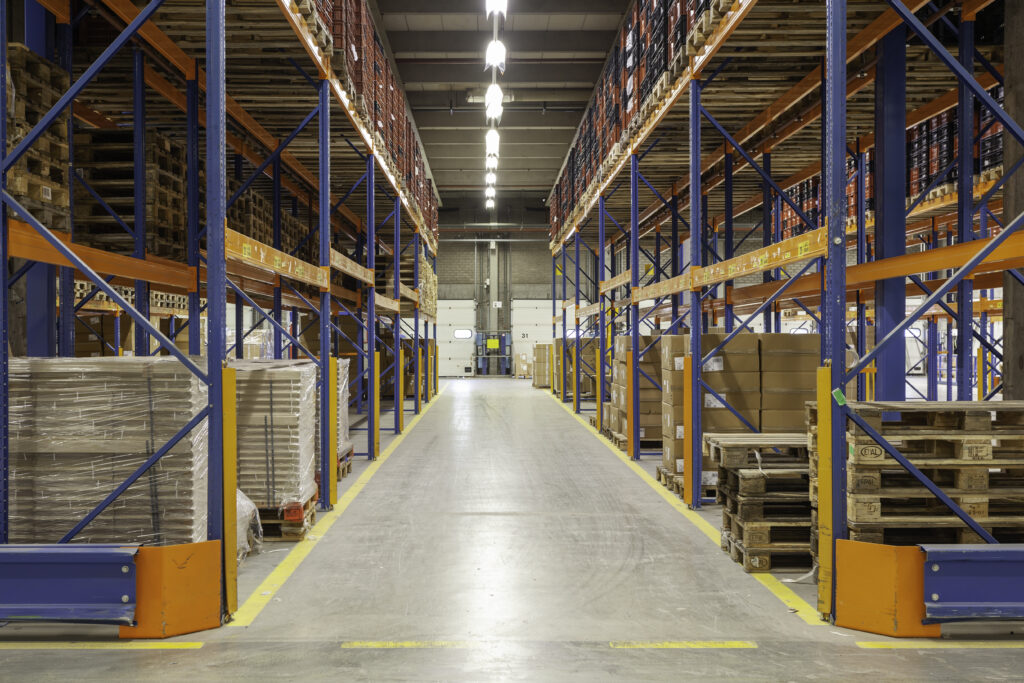
Inside, receiving, reserve storage, pick, pack, returns, damaged goods, high-value cages, shipping and IT or utility rooms create different access and evidence requirements. Shift peaks, seasonal volume and temporary labor change credential populations and incident frequency. High racks, inventory, trailers and changing dock positions can block views that appeared acceptable during an empty survey.
Security zones that need different decisions
A warehouse security systems scope should distinguish these operating areas before equipment is selected.
Build the system around owned workflows
Gate control may combine credentials, intercom, vehicle detection, LPR and a staffed decision. The operator and entrapment-protection design must remain safe, and an approved fallback is needed for outages or emergency access. Outdoor cameras, readers and intercoms require environmental, lighting, power, mounting and network design appropriate to weather, vibration and vehicle exposure.
Dock security should explain who opened a door, whether a trailer was present, how goods moved and what happened during an exception. Interior access can restrict cages, returns, high-value staging and infrastructure. Video continuity between yard, dock and aisle views is more valuable than unrelated camera coverage. Equipment must be protected from forklifts, lift masts and dock mechanisms.
Gate and driver workflow
Combine vehicle data with driver, carrier, appointment and exception decisions.
Dock video context
Follow door, trailer, goods and operator activity through a usable timeline.
Inventory access
Restrict cages, returns, IT and high-value staging by role and schedule.
Environmental protection
Select mounting, housings, pathways and maintenance for exposed/high locations.
Test the operating result—not only the devices
Commissioning should test expected and rejected vehicles, temporary driver instructions, tailgating, after-hours arrival, dock opening, trailer movement, forced employee doors, restricted inventory access, low-light images and video export. Gate fallback, power loss and communication recovery require controlled scenarios. Tests should use representative racks and trailers rather than unobstructed demonstration conditions.
Closeout should record gate and dock logic, camera purpose and view, driver and employee credentials, alarm priorities, environmental ratings, network/power dependencies and scenario results. Operational ownership includes driver lists, temporary expiration, lens cleaning, enclosure heaters, gate safety, battery checks, rack-change review and evidence handling. Yard and high-value layouts belong in protected records.
| Scenario | Required outcome | Acceptance evidence |
|---|---|---|
| Scheduled truck | Safe entry and correct dock direction | Arrival-to-dock scenario |
| Unrecognized vehicle | Owned exception without unsafe queue behavior | Intercom/operator event record |
| Dock exception | Door and trailer activity can be reconstructed | Synchronized video timeline |
| Rack change | Views and device access remain effective | Post-change survey and retest |
Questions the design must answer
- How are driver, vehicle, carrier and appointment information reconciled?
- Which yards and docks require continuous operator awareness?
- Where can trailers, racks or inventory obstruct required views?
- Which zones need high-value or infrastructure access control?
- What safe gate fallback is used during an outage?
- Who reviews security after racking, automation or yard-layout changes?
Frequently asked questions
Can LPR replace driver verification?
No. It is one vehicle input within the approved driver and carrier workflow.
Why test with trailers present?
Trailers can block views, lighting and detection zones.
What must a gate outage plan protect?
Emergency access, vehicle and pedestrian safety and operator control.
When should warehouse cameras be reviewed?
After rack, inventory, dock, lighting, automation or yard changes.
Official planning resources
These public warehouse security systems resources provide planning context; project requirements still need site- and jurisdiction-specific review.
Detailed planning and product-family guides
Explore the detailed warehouse security systems guides below to compare options, dependencies and project decisions.
Plan your warehouse security systems project
Share the operating schedule, existing systems, known risks and desired timing for this warehouse security systems environment. We can help define the survey, design and acceptance work.
Start a project conversation