
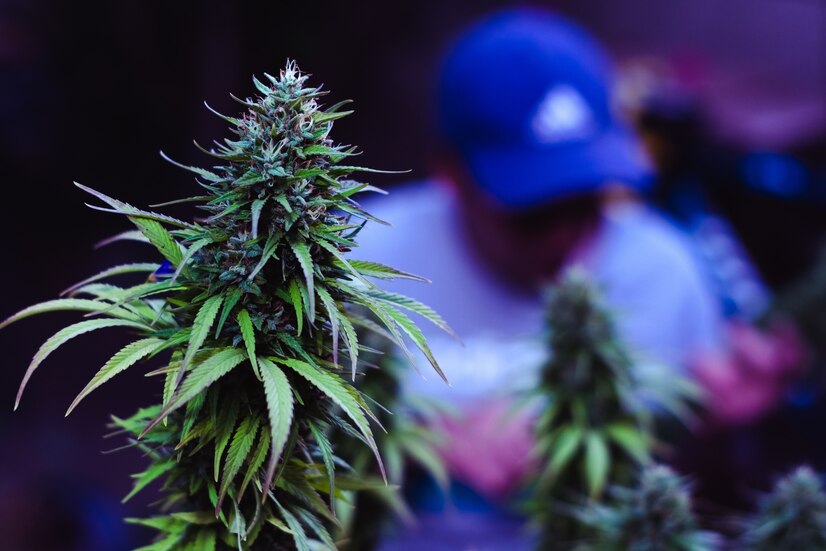
Cannabis security designed for licensed operations and evidence
Map cultivation, processing, storage, retail and transfer activity to auditable access, video, alarm and retention controls.
Start with the operating environment
Cannabis security requirements depend on the state, locality, license type and approved premises. Cultivation, manufacturing, testing, distribution, storage, retail and delivery operations have different inventory flows and controlled areas. The licensee and its qualified advisors determine applicable rules; the security design should translate those current requirements into specific views, doors, alarms, records and test evidence without claiming one national camera count or retention period.
The survey should follow employees, visitors, vendors and inventory from receiving through cultivation or processing, storage, sales, returns, waste and transfer. It should identify the boundary of the licensed premises, public and restricted zones, after-hours operations, secure storage, recorders, network equipment and power. Grow lighting, reflective packaging, dense plants, walls and equipment can change image quality and sightlines.
Security zones that need different decisions
A cannabis facility security scope should distinguish these operating areas before equipment is selected.
Build the system around owned workflows
Access control can apply roles, schedules, sponsor approval and rapid revocation to inventory and operational zones. Visitor rules may require logs, badges and escorts. Video design needs documented camera purpose, field of view, resolution, frame rate, lighting, retention and export based on the governing requirement and investigation need. Storage capacity should include actual bitrate, motion, redundancy and retention assumptions rather than a marketing estimate.
Recording, management, network, time and power components require protection and health monitoring. Intrusion and duress should follow the licensee’s response and monitoring procedures. Administrative and evidence privileges should be limited to named users. Public material should not disclose precise vulnerabilities, camera blind spots, credential design or response timing.
Regulation-driven video
Translate current view, quality, retention and export requirements into tested design.
Controlled-area access
Apply roles, schedules, sponsor and escort rules to licensed zones.
Intrusion and duress
Align alarm points, monitoring and staff action with operating procedures.
Evidence integrity
Protect storage, time, audit, export and incident-preservation processes.
Test the operating result—not only the devices
Acceptance should test employee and visitor access, vendor expiration, inventory transfer, secure storage, after-hours alarms, duress, camera views under operational lighting, search, export, timestamp, audit trail and the approved power or network outage procedure. The evidence package should demonstrate required performance without exposing sensitive credentials or unnecessary facility detail.
Closeout should include licensed-premises zones, camera purposes and views, access roles, alarm points, retention calculations, storage health, time synchronization, export procedure, tests and regulatory exceptions. Assign ownership for rule changes, credential reviews, system checks, evidence holds, firmware, backup and incident response. Revisit the design after license, premises, layout, lighting, inventory or operating changes.
| Scenario | Required outcome | Acceptance evidence |
|---|---|---|
| Inventory transfer | Required views and authorized movement are documented | Access/video timeline |
| Visitor or vendor | Sponsor, escort, bounded access and exit record | Visitor log and event audit |
| After-hours alarm | Verification and owned response follow procedure | Monitoring scenario |
| Evidence request | Search, export, timestamp and preservation work | Approved export package |
Questions the design must answer
- Which state, local and license-specific rules apply to this premises?
- How does inventory move through cultivation, processing, storage and transfer?
- Which lighting or obstruction conditions affect required camera views?
- How are visitors, vendors and temporary workers sponsored and escorted?
- Who may administer the system and export regulatory or incident evidence?
- What change process tracks new rules, layouts and operating procedures?
Frequently asked questions
Is there one national cannabis retention rule?
No. Verify current state, local and license-specific requirements for every premises.
Can an installer certify legal compliance?
The licensee retains compliance responsibility; installation records support its review.
Why test under grow lighting?
Special lighting and dense plants can reduce usable detail and color accuracy.
Who should export video?
Named trained users following the licensee’s authorization and preservation procedure.
Official planning resources
These public cannabis facility security resources provide planning context; project requirements still need site- and jurisdiction-specific review.
Detailed planning and product-family guides
Explore the detailed cannabis facility security guides below to compare options, dependencies and project decisions.
Plan your cannabis facility security project
Share the operating schedule, existing systems, known risks and desired timing for this cannabis facility security environment. We can help define the survey, design and acceptance work.
Start a project conversation